Exterior house painting on the North Shore means washing the house, repairing rot and cracks, scraping and sanding loose paint, priming bare surfaces and putting on two finish coats made for the cladding. On the coast, salt and wind wear the sea side faster, so preparation there matters even more. Published prices put a typical Auckland exterior repaint at $12,000 to $22,000 or more plus GST. Here is what the work involves, when to paint, and when old paint can simply be painted over. For the whole house, inside and out, see house painting on the North Shore.
Signs the outside needs repainting
The outside needs repainting when the paint stops protecting the surface underneath. Walk round the house and look closely at the sunny walls, the window sills and the board ends, where the weather hits hardest. One or two of these signs on a single wall can wait a season. Several on every side means it is time.
- Paint flaking, peeling or blistering
- A chalky powder when you rub the wall
- Bare timber at the board ends and sills
- Cracks in plaster or around windows
- Faded colour on the sunny side
- Mould and dark streaks that come back
Exterior painting prices
Published Auckland prices put the exterior of a typical family home at about $12,000 to $22,000 or more plus GST, and a small single-storey house at $7,000 to $12,000 or more. Two-storey homes and heritage villas cost more because of scaffolding, repairs and detailed trims. Failed paint can add a lot, because preparation is paid by the hour.
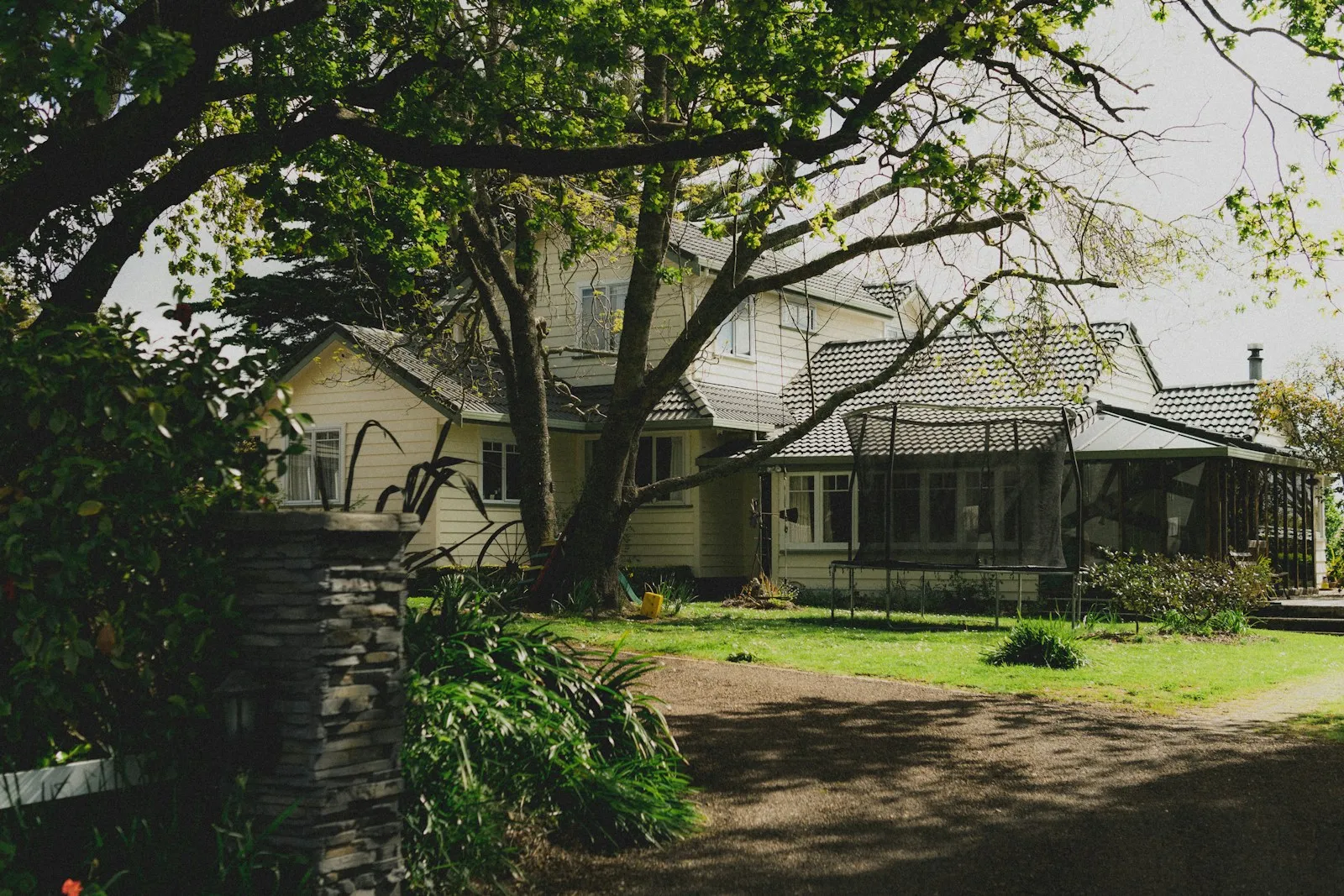
One national building cost guide puts a typical Auckland exterior repaint at about $16,000 for 2026. Per square metre, published Auckland rates run at about $50 to $90 or more of wall. See house painting prices for every range and the extras.
Painting over old exterior paint
Old exterior paint can be painted over if it is sound, clean and well stuck. It needs a wash, a light sand to give the new coat something to grip, and primer on any bare spots. If the old paint is flaking, chalky or peeling, it has to be scraped back to a firm edge first, or the new coat fails with it.
A quick test: press sticky tape firmly on the old paint and pull it off. If paint comes away on the tape, it needs more preparation. Painting over oil-based paint with a waterborne topcoat may need a specific primer, which your painter will check.
Preparation, step by step
Preparation is washing, scraping, sanding, filling, fixing rot, and priming. It takes more time than the painting itself. Resene's systems for exterior timber start with a primer or sealer on bare wood, then two topcoats. Repairs such as replacing rotten weatherboard ends or sills are done before priming, so new timber is sealed like the rest.
- Wash. Dirt, salt and mould off every wall.
- Repairs. Rot cut out, boards replaced, cracks filled.
- Sand and prime. Loose paint off, bare timber primed.
- Two coats. Walls, then trims, windows and doors.
Two-storey homes and steep sections, which are common on the Shore, usually need scaffolding. WorkSafe New Zealand expects work at height to be planned with edge protection or scaffolding. It is often a separate line in the quote.
Weather to avoid
Don't paint in rain, heavy dew, strong wind, or hot direct sun. Resene advises against painting in hot direct sun, because paint dries too fast and can blister or show lap marks. Late spring, summer and early autumn are the best seasons in Auckland, with the work following the shade around the house during the day.
In winter there are fewer good hours: surfaces stay damp in the morning and dew forms early in the evening. Painters can still work on fine days, but jobs take longer. If you want the house done before Christmas, ask for quotes in winter or early spring.
How often the outside needs repainting
Many exteriors are repainted every seven to ten years or so. The sea side of coastal homes in Takapuna, Milford, Browns Bay and Devonport, and walls in full sun, often need it sooner. A wash every year or two helps the paint last. Repaint when you see the signs above, before bare timber starts to rot.
Colours that are hard to cover
Very dark and very bright colours are the hardest to cover. Reds, deep blues and near blacks usually need a tinted primer and two or more topcoats to stop the old colour showing through. Going from dark to light often costs more because of the extra coat. Dark colours also hold heat, and Resene advises care with dark colours on old painted timber.
FAQs
Do exterior painters fix rot?
Many painters do minor repairs such as cutting out rot at board ends and sills and filling small gaps. Larger rot, damaged framing or leaks need a builder. Your quote should say how repairs found during the job are priced, often per board or per hour, so there are no surprises.
Do I need consent to repaint my house?
A like-for-like repaint usually needs no building consent. Some properties have heritage controls or sit in special character areas, where changes to the outside, including some colour changes, can need approval. Auckland Council has an online check for heritage controls. Check before a big colour change.
Do you paint the outside in winter?
Yes, on fine days, when surfaces are dry and the temperature is above the paint maker's minimum. Jobs take longer because there are fewer good painting hours. Winter is also when many painters have more free dates for spring, so it is a good time to ask for a quote.
Should I wash the house before painting?
Your painter washes it as part of the job. A house wash removes dirt, salt and mould so the new paint sticks. It needs to dry fully before painting starts, usually a day or more. If you are not painting yet, washing every year or two also helps the old paint last.